Geography - Phnom Penh, Cambodia
Geography
Phnom Penh is located in the southern heard of the country and fully surrounded by the Kandal Province. The municipality consists of the typical plain wet area for Cambodia, covering rice fields and other agricultural plantations. The province also features three of the biggest rivers of the country the Tonle Bassac, the Tonle Sap and the mighty Mekong.
All three rivers cross to form an "X" at their confluence, where the capital is situated. These rivers provide potential freshwater and other resources. The city, located at 11.55 N 104.91667? E (11?33' North, 104?55' East) covers an area of 375 square kilometres (145 sq mi) which some 11,401 hectares (28,172 acres) in the municipality and 26,106 hectares (64,509 acres) of roads. The agricultural land in the municipality amounts to 34.685 square kilometres (13 sq mi) with some 1.476 square kilometres (365 acres) under irrigation.
Bus Ticket Online is available and you can check below:
Search Bus, Taxi, Boat from/to Phnom Penh
Search Hotels
Travel next destinations
Cambodia Tours

Cambodia Day Tours

Angkor Temple Tours
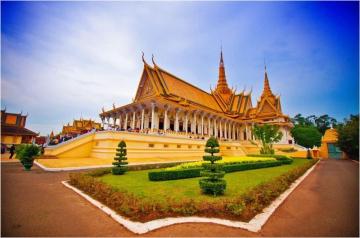
Cambodia Classic Tours

Promotion Tours
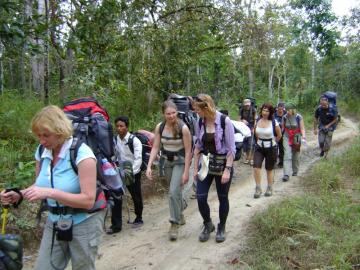
Adventure Tours

Cycling Tours
Trip Planner
Useful Links
Travel Services
News & Media

Agency offering information about Cambodia on tourism, culture, history, visa, attractions, province guides, trip planner, hotels, flights, cars, tours, news, photo and online bookings.
#262D, Monivong Blvd., Sangkat Beung Raing, Khan Daun Penh.Click here to contact us.