


Ethical Tourism
06 Dec 2010
China is a popular tourist destination for those wanting to see the history of a great civilisation. There's the Great Wall of China, the Terracotta Army and many other wonderful and unique sights to see but China has an appalling record on human rights and is still a semi-despotic country.
Cuba has glorious, uncrowded beaches, the whole range of habitats across the island, joyous music and friendly people but they are governed severely with few if any Cubans allowed to leave the country, pathetic wages which just about allow the citizens to survive and the secret police at every corner watching for some contravention of the idealism of the revolution.
Then there's Vietnam and Cambodia, both dubbed the new Thailand, unspoilt countryside and beaches but both countries with a terrible past. It's against these backdrops that many tourists question whether it is ethical to visit them. Are they supporting the regimes or condoning the past by spending their tourist pound, dollar or euro where, through taxation or government control of the tourist economy their spending helps to support the unfairness?
Giles Devenish of Travel Watch says that so called 'ethical tourism' is now coming to the fore after years of failing to get to grips with the idea of eco-tourism. 'Having tried and failed to see the point of eco-tourism which is an oxymoron in itself, travellers are now turning their thoughts to ethical tourism, choosing holidays where the profits made by the country won't be used to support evil regimes or to enslave the people.'
However Charles Watts of Christian Aid counters, 'Sometimes by not travelling to these countries you can make matters worse. In Cuba for instance, the black economy thrives on tourists enabling the locals to supplement their meagre incomes. Additionally, educated tourists often bring goods with them that they know are difficult to find for Cubans and so they make a difference.'
The decision rests firmly with the tourist themselves, it's a question of conscience versus knowledge. Going to these countries can open your eyes to what is going on in the world and encourages many to do something about it through donations to aid agencies. A final thought - what do you consider to be the threshold over which you would decide not to visit a country? Almost every country in the world has a dark past - would you avoid holidaying in the UK or the USA? Don't forget the Suffragettes, Bloody Sunday and more in the UK or America's bloody intervention in many parts of the world.
Source=rhinocarhire
Cuba has glorious, uncrowded beaches, the whole range of habitats across the island, joyous music and friendly people but they are governed severely with few if any Cubans allowed to leave the country, pathetic wages which just about allow the citizens to survive and the secret police at every corner watching for some contravention of the idealism of the revolution.
Then there's Vietnam and Cambodia, both dubbed the new Thailand, unspoilt countryside and beaches but both countries with a terrible past. It's against these backdrops that many tourists question whether it is ethical to visit them. Are they supporting the regimes or condoning the past by spending their tourist pound, dollar or euro where, through taxation or government control of the tourist economy their spending helps to support the unfairness?
Giles Devenish of Travel Watch says that so called 'ethical tourism' is now coming to the fore after years of failing to get to grips with the idea of eco-tourism. 'Having tried and failed to see the point of eco-tourism which is an oxymoron in itself, travellers are now turning their thoughts to ethical tourism, choosing holidays where the profits made by the country won't be used to support evil regimes or to enslave the people.'
However Charles Watts of Christian Aid counters, 'Sometimes by not travelling to these countries you can make matters worse. In Cuba for instance, the black economy thrives on tourists enabling the locals to supplement their meagre incomes. Additionally, educated tourists often bring goods with them that they know are difficult to find for Cubans and so they make a difference.'
The decision rests firmly with the tourist themselves, it's a question of conscience versus knowledge. Going to these countries can open your eyes to what is going on in the world and encourages many to do something about it through donations to aid agencies. A final thought - what do you consider to be the threshold over which you would decide not to visit a country? Almost every country in the world has a dark past - would you avoid holidaying in the UK or the USA? Don't forget the Suffragettes, Bloody Sunday and more in the UK or America's bloody intervention in many parts of the world.
Source=rhinocarhire
Sponsored News
More World Travel News
Cambodia Tours

Cambodia Day Tours

Angkor Temple Tours
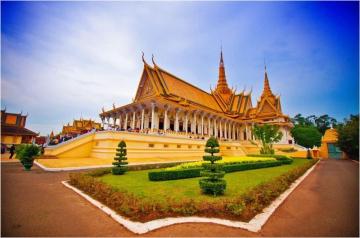
Cambodia Classic Tours
Promotion Tours
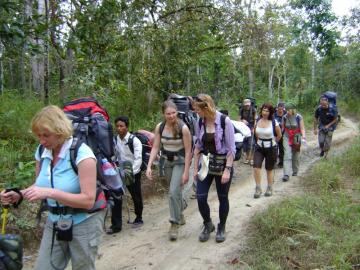
Adventure Tours
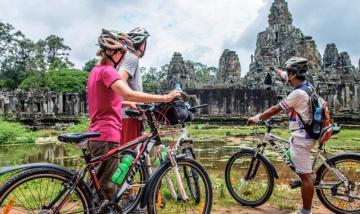
Cycling Tours
Trip Planner
Useful Links
Travel Services
News & Media

Agency offering information about Cambodia on tourism, culture, history, visa, attractions, province guides, trip planner, hotels, flights, cars, tours, news, photo and online bookings.
#262D, Monivong Blvd., Sangkat Beung Raing, Khan Daun Penh.Click here to contact us.