
Prasat Sour Prat
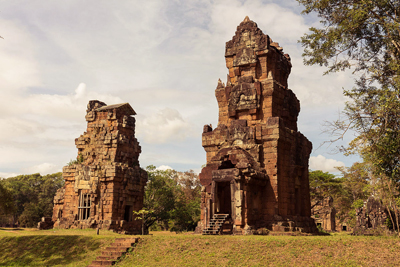
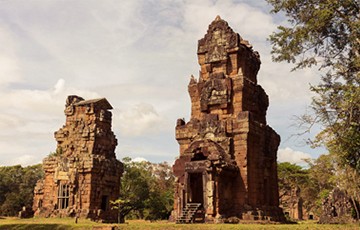
Sour Prat temple is located at the beginning of the road leading to the Victory Gate, in front of the Royal Palace. The temple was built in the late 12th century by King Jayavarman VII and features a row of 12 square laterite and sandstone towers, six on one either side of the road leading to the Victory Gate.
The two towers closest to the road are set back slightly from the others. The towers have an unusual feature of windows with balusters on three sides. Entrance porches open toward the west onto the parade ground. The interior of each tower has two levels and on the upper one there is a cylindrical vault with two frontons. The frames, bays and lintels were made of sandstone.
According to a Cambodian legend, the towers served as anchoring places for ropes which stretched from one to another for acrobats performing at festivals, while the king observed the performances from one of the terraces. This activity is reflected in the name of the towers. Zhou Daguan wrote about the entirely different purpose of the towers in describing a method of settling disputes between men. Some think that they may have served as alter for each province on the occasion of taking the oath of loyalty to the king.
Related Articles...
Angkor Wat
Ak Yum
Angkor Thom
Bakheng Mountain
Bakong
Baksei Chamkrong
Banteay Srei
Banteay Kdei
Banteay Samre
Baphuon
Bayon Temple
Beng Mealea
Chau Say Tevoda
East Mebon
Kravan
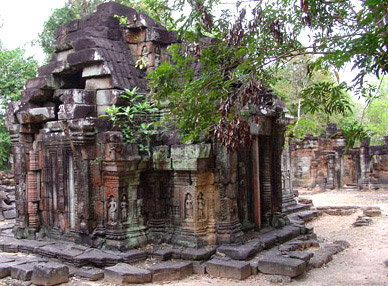
Krol Ko
Lo Lei
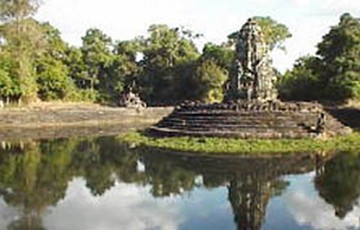
Neak Pean
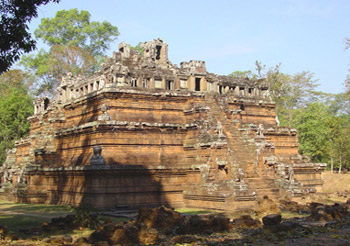
Phimean Akas
Phnom Krom
Pre Rub
Preah Khan
Preah Ko
Preah Palilay
Preah Pithu
Roluos Group
Sour Prat
Spean Thmar
Srah Srang
Ta Keo
Ta Prohm - Jungle Temple
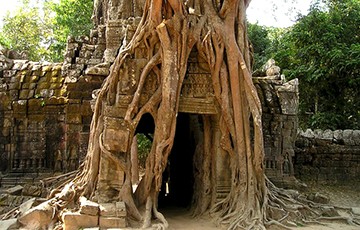
Ta Som
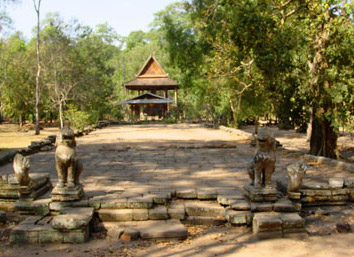
Tep Pranam
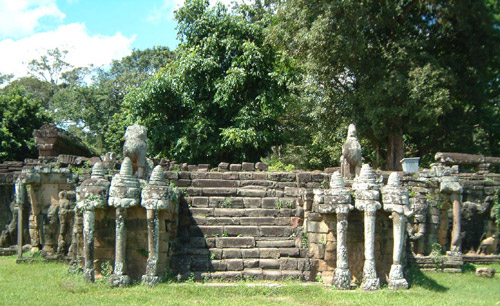
Terrace of Elephants
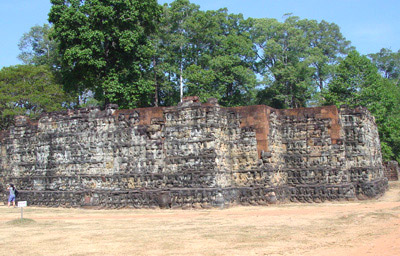
Terrace of Leper King
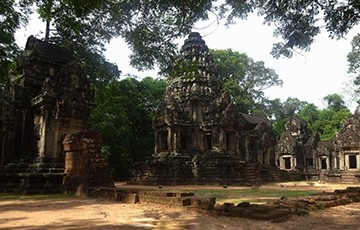
Thommanon
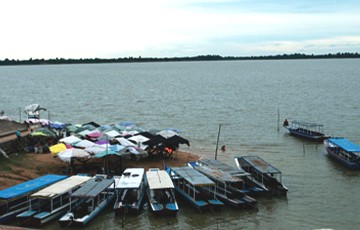
West Baray
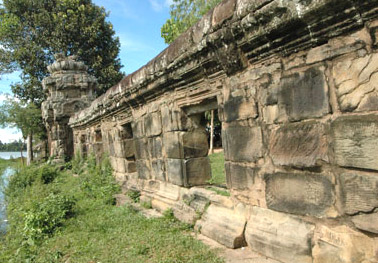
West Mebon
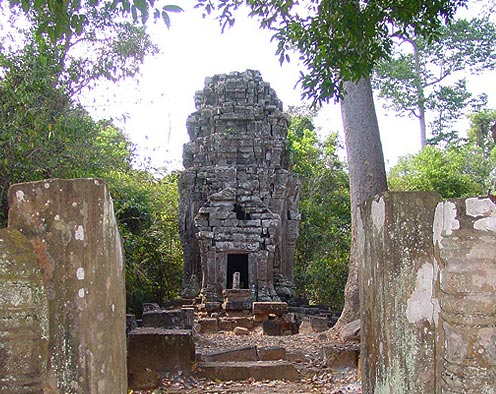
Chapel of the Hospital
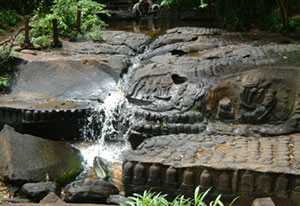
Kbal Spean
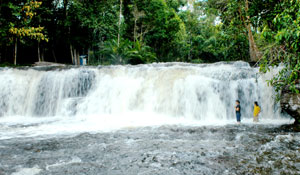
Phnom Kulen
More Articles on What To See
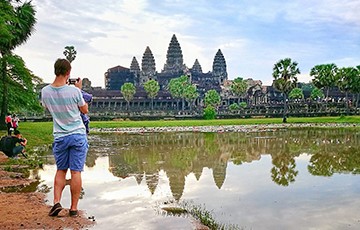
Angkor Complex
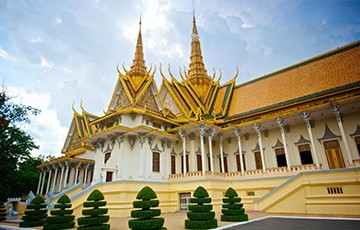
Phnom Penh City
Sihanoukville - Beach
Mondulkiri - Minority
Rattanakiri - EcoTourism
Kampot - Sea Foods
Kratie - Dolphin
Kampong Thom
Battambang
Preah Vihear
Kirirom Resort
Banteay Chhmar Temple
Cambodia Tours

Cambodia Day Tours
Angkor Temple Tours
Cambodia Classic Tours
Promotion Tours
Adventure Tours
Cycling Tours
Trip Planner
Useful Links
Travel Services
News & Media

Agency offering information about Cambodia on tourism, culture, history, visa, attractions, province guides, trip planner, hotels, flights, cars, tours, news, photo and online bookings.
#262D, Monivong Blvd., Sangkat Beung Raing, Khan Daun Penh.Click here to contact us.